Affordable Houston Tree Removal Services for Routine Maintenance
Tree Removal Solutions: Guaranteeing Safety and Visual Appeal in Your Yard
Tree removal service options are a vital aspect of maintaining a safe and visually appealing yard. Trees that are overgrown, damaged, or diseased can present serious hazards to both property and people. Additionally, strategic tree removal can dramatically improve the overall aesthetics of a landscape. Knowing when and why these services are necessary empowers homeowners to make well-informed choices. What factors should one consider before proceeding with tree removal?
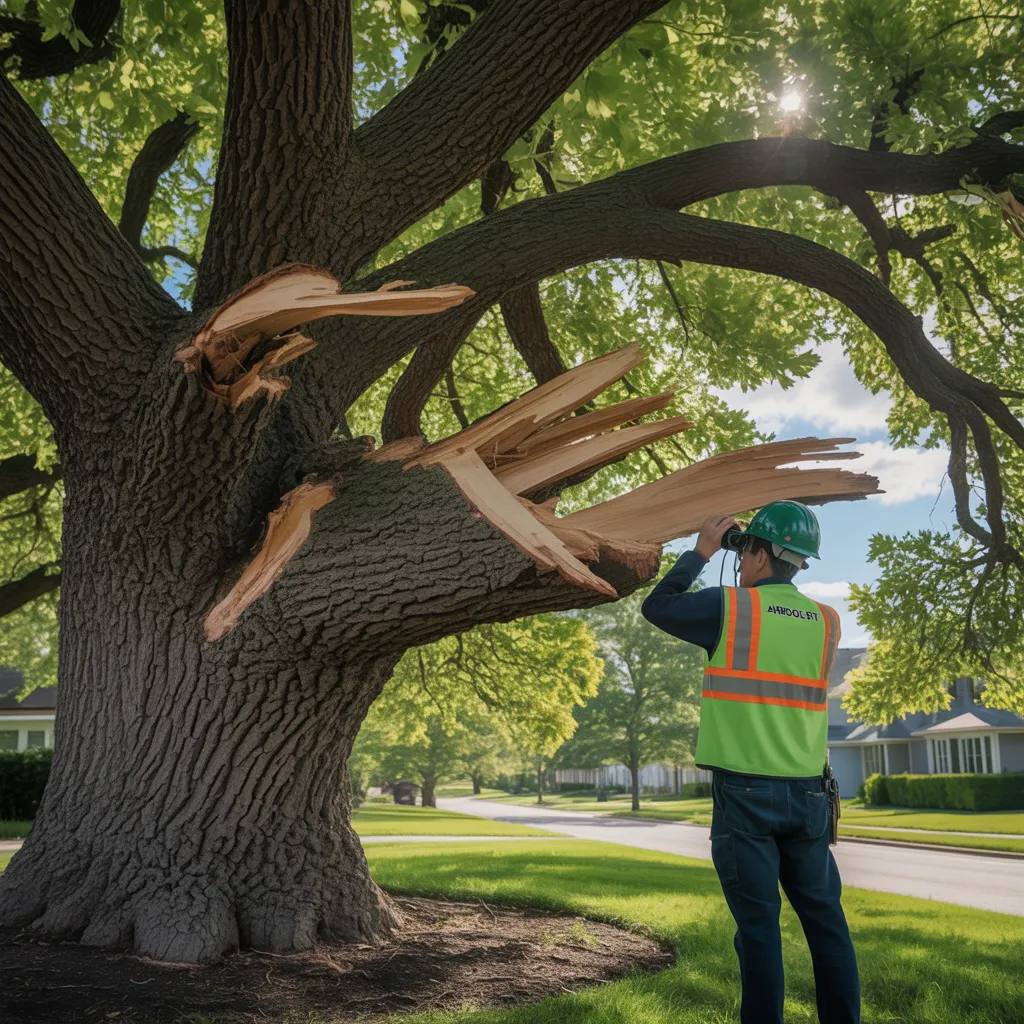
Understanding When Tree Removal Becomes Necessary
Additionally, natural elements, such as roots intruding upon foundations or walkways, can require the tree to be removed. Beyond that, the overall aesthetic and space considerations in a yard may affect the final decision. By considering these elements, property owners can reach well-informed decisions regarding removing trees, preserving the safety and visual integrity of their surroundings.
Why Tree Removal Matters for Safety
When evaluating the safety of a property, removing trees often becomes critical, especially when trees present hazards to surrounding structures or people. Deteriorating or overgrown trees can create substantial risks, such as falling branches or entire trees collapsing during storms. These occurrences can result in extensive damage to residences, vehicles, and exterior spaces, as well as pose a risk to the safety of inhabitants and visitors.
Furthermore, trees affected by pests or diseases may damage their structural integrity, increasing the probability of unpredictable failures. In urban areas, proximity to power lines greatly heightens the demand for removal, as fallen branches can interfere with electrical services and produce safety hazards.
How Expert Tree Removal Elevates Landscape Aesthetics
Skilled tree removal greatly boosts outdoor aesthetic quality by enhancing the visual harmony of exterior environments. By carefully eliminating oversized or poorly positioned trees, homeowners can increase sunlight exposure, fostering stronger growth in adjacent plant life. Moreover, a carefully tended landscape commonly contributes to greater home value, making professional tree removal a worthwhile investment.
Better Visual Equilibrium
A thoughtfully managed landscape typically requires the thoughtful balance of its elements, and tree removal can be instrumental in achieving this harmony. When certain trees develop beyond their intended scope or clash with the overall design, they can interrupt the aesthetic continuity of the yard. Skilled tree removal allows homeowners to reshape perspectives and establish a more harmonious appearance. This process can bring greater attention to existing features, such as flower beds or hardscaping, allowing them to shine without get details competition from unruly foliage. Furthermore, the removal of diseased or deteriorating trees can prevent visual clutter, contributing to a more refined aesthetic. Ultimately, purposeful tree removal fosters a degree of harmony, enhancing the beauty and appeal of the overall landscape.
Amplified Sunlight Exposure
Although trees offer shade and shelter, excessive canopy coverage often leads to diminished sunlight exposure in a landscape. Expert tree removal services can significantly improve the visual appeal of outdoor areas by permitting greater natural light to reach the space. Enhanced sunlight exposure nurtures stronger grass and plants, stimulating rich colors and vigorous development. Furthermore, it can create a more inviting atmosphere, making outdoor spaces feel larger and more open. This change can additionally accentuate the architectural elements of the home and enhance the general visual harmony of the landscape. By strategically removing select trees, homeowners can achieve a harmonious blend of greenery and light, enhancing the enjoyment of their outdoor environment.
Enhanced Property Value
Strategic tree removal can significantly boost property value by enhancing landscape aesthetics. Once dead, diseased, or overcrowded trees have been cleared, homeowners can develop a more open and appealing outdoor area. This not only allows for better sunlight penetration but also showcases the remaining flora, making the yard appear more manicured and attractive. Professional tree removal services guarantee that trees are removed safely and efficiently, preventing damage to surrounding structures. Furthermore, a properly maintained landscape can elevate curb appeal, making properties more attractive to prospective buyers. By choosing professional tree removal services, homeowners can dramatically improve the aesthetic quality of their outdoor areas, resulting in a notable rise in property value and market appeal.
What You Should Look for in a Tree Removal Service
When selecting a tree removal service, what attributes should one look for to secure a reliable and effective process? First, verify the company's credentials, including proper insurance and valid licensing. This ensures the service is credible and shields against possible liability issues. Furthermore, consider the experience and expertise of the crew. A proficient team can thoroughly analyze the conditions and carry out the removal while protecting adjacent properties.
Additionally, feedback and testimonials from past clients offer valuable insight into the company's dependability and standard of work. A reputable service should also offer clear, detailed estimates and a clear and open process, identifying possible risks and approaches. As a final consideration, seek information regarding safety measures and equipment used during the removal process. Emphasizing these important attributes can lead to a smoother experience, verifying that the tree is handled efficiently while ensuring safety and a professional approach from start to finish.
Garden Upkeep Tips After Removing a Tree
After tree removal, property owners should prioritize restoring the landscape to restore its aesthetic appeal and health. The first step involves evaluating the area for leftover roots or debris, that can impede the growth of new vegetation. Removing any remaining stump or wood chips is vital to keeping pests at bay and opening up space for fresh plantings.
Next, homeowners need to think about soil condition. Testing the soil can reveal nutritional gaps, allowing for appropriate amendments to encourage new plant growth. Selecting appropriate or native plants for replanting can help maintain the ecological balance and enhance the yard's beauty. Mulching around new plants preserves water content in the soil and prevents weed growth.
Routine watering and pest monitoring are essential in the initial growth phase. In addition, establishing a maintenance routine, including periodic pruning and fertilization, will encourage a vibrant landscape. By implementing these recommendations, property owners can ensure their lawns flourish post-tree removal.
Busting Myths Surrounding Tree Removal Services
Within the realm of tree removal services, a number of misconceptions commonly emerge that may lead homeowners astray. These misconceptions frequently ignore important factors such as safety concerns and the ecological consequences of removing trees. Through examining these widespread misconceptions, greater insight into professional tree removal practices can be achieved.
Common Misconceptions Explained
Misunderstandings regarding tree removal services frequently obscure public awareness, causing homeowners to avoid seeking expert guidance. One prevalent myth is that tree removal is inherently hazardous and must only be handled by certified professionals. Even though safety is undeniably important, numerous trees can be safely taken down using the right methods and tools. An additional false belief is that removing a tree automatically boosts property value; though in reality, this depends heavily on a range of different factors. Additionally, some believe that removing a tree will result in a barren yard, however, experienced arborists can elevate the visual appeal of a yard through strategic planning. At its core, correcting these false beliefs helps property owners approach tree removal decisions with greater knowledge and assurance.
Safety Concerns Neglected
Contrary to popular belief that tree removal is a simple process, many homeowners underestimate the safety risks involved. The process is not merely about cutting down a tree; it necessitates skill to manage potential hazards such as falling branches, electrical lines, and unstable ground. Inexperienced persons often overlook these dangers, causing injuries or property damage. Additionally, the use of heavy equipment demands specific knowledge to handle properly. Misconceptions remain common that hiring professionals is avoidable, yet experienced tree removal services are outfitted with the right tools and safety protocols to minimize hazards. Ignoring these safety concerns can have dire consequences, making it critical for homeowners to recognize the complexities of tree removal before trying it on their own.
Myths About Environmental Impact
Although many assume that tree removal inevitably has a negative impact on the environment, such a belief tends to ignore critical nuances. In reality, thoughtful tree removal can support environmental harmony. To illustrate this point, taking out dead or diseased trees can halt the transmission of pests and illness, preserving the health of adjacent vegetation. Furthermore, purposeful tree removal may boost sunlight availability for surrounding plant life and improve soil quality by reducing competition for nutrients. Moreover, when trees are removed, sustainable practices such as replanting or landscaping with native species can lead to improved biodiversity. Misconceptions claiming that tree removal is always harmful fail to acknowledge the advantages of deliberate action, demonstrating that when done correctly, tree removal can contribute positively to the environment. Understanding these nuances is essential for informed decision-making regarding tree care.
Common Questions and Answers
What Is the Typical Cost of Tree Removal?
The typical cost of tree removal ranges anywhere from $300 up to $2,000, based on factors including the size of the tree, its location, and the difficulty of the work. You may also incur additional costs for stump removal or challenging access conditions.
Does Homeowners Insurance Cover Tree Removal?
Tree removal might be included in homeowners insurance, depending on the details of the policy and why the removal is needed. It's essential for homeowners to review their policies and reach out to their insurance providers for a better understanding.
How Much Time Does the Tree Removal Process Require?
Tree removal usually takes several hours up to a full day, based on the tree's size, location, and complexity of the job. Elements such as crew and equipment availability can also influence the length of the job.
Can I Take Down a Tree Myself?
Removing a tree personally is possible, but it demands considerable expertise, ability, and cautionary measures. Numerous elements, such as the tree's size and placement, affect the choice. Hiring a professional is commonly suggested to secure safety and appropriate technique.
What Permits Are Needed for Tree Removal?
Local regulations frequently determine the necessary permits for tree removal. In most cases, property owners must consult city guidelines, as permits might be necessary for certain tree types, measurements, or if the tree is located in protected areas.